Category: Uncategorized

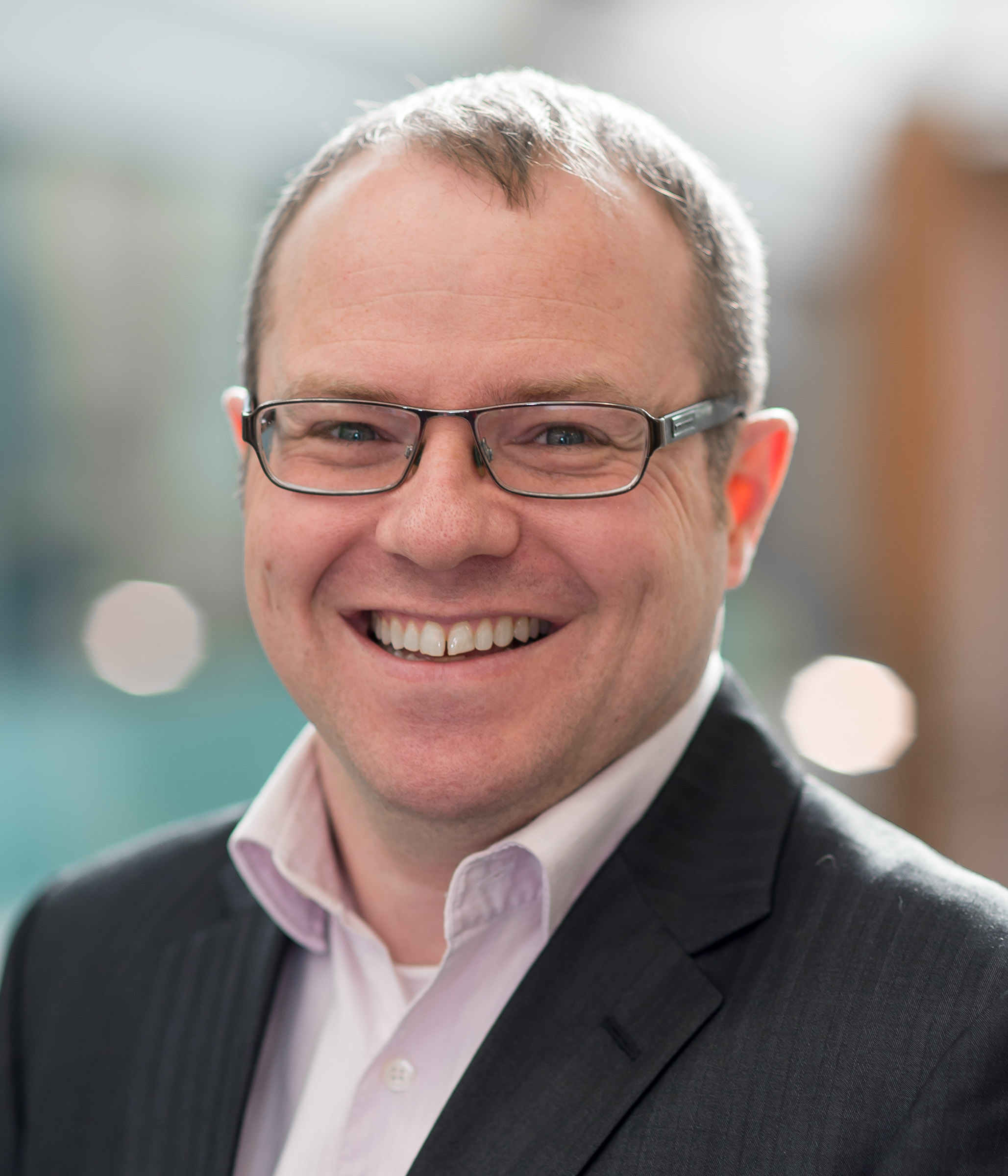
Andrew Simpson – The gentrification of Lewes – 5th of December 2018

About the speaker:
Andrew is an experienced planner and urbanist with a breadth of experience in community investment planning. He has a long track record in bringing about improvements in mental health services and of advocating on behalf of service users. In recent years, he has focussed on the importance of well-being in urban planning and on improving the quality of design in major developments. He was responsible for securing permission for the largest regeneration scheme on an NHS site in England, based on a vision of integrated health and social care provision, which is now under development.

He is currently Managing Director of DLBP Ltd, a planning consultancy engaged on a range of major urban developments in the South East, and a Director of Lewes Phoenix Rising Ltd.

About the topic:
This talk represents a review of developments in Lewes since Andrew’s previous appearance at the Headstrong Club in February 2014. At that talk, Andrew made some predictions about what would happen to the town if we were not able to protect ourselves from the consequences of market-driven development, with insufficient investment in local community infrastructures such as affordable housing and workspaces. This is a topic that is close to the hearts of all those who value the unique character of Lewes and who wish to see the town continue to thrive as a place for all to enjoy.

Screen Shot 2018-11-04 at 11.51.59

The venue:
The Elephant And Castle
White Hill
Lewes
BN7 2DJ

Tickets:
They are £3 and you can purchase them on the door or about a week before in the venue. Please note that the capacity of the venue is limited, we recommend to buy the ticket in advance to avoid disappointment.
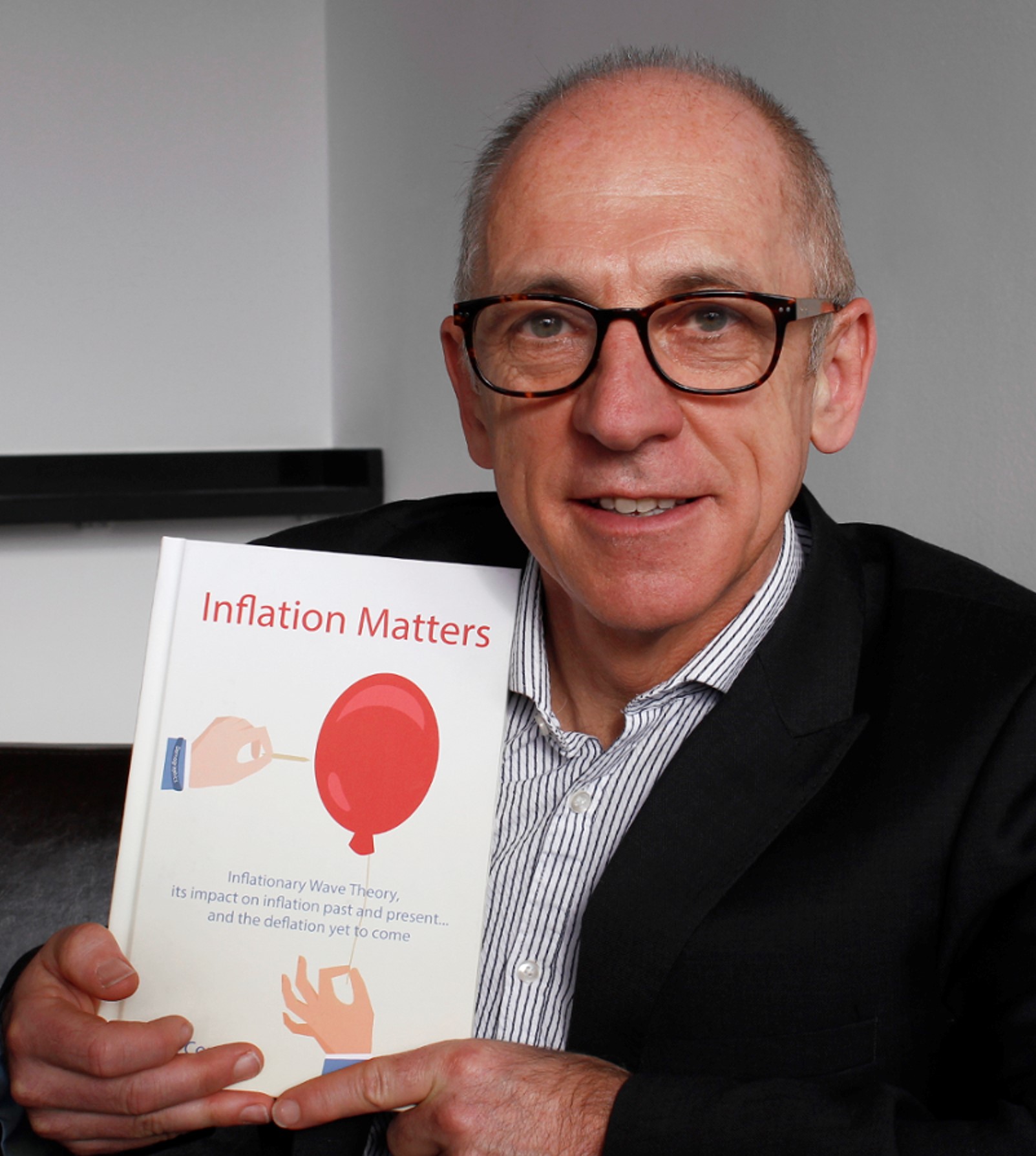
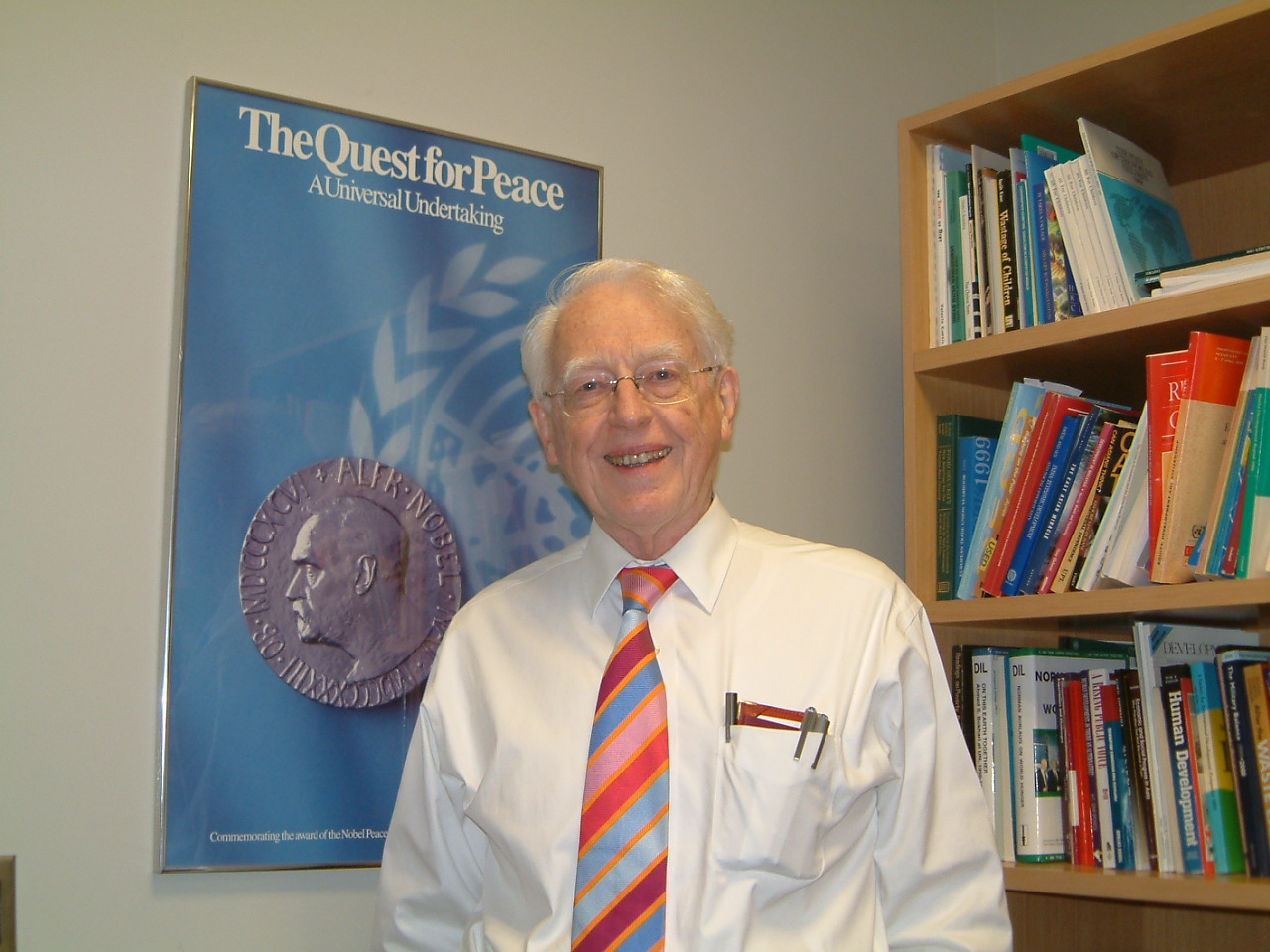
Richard Jolly – What could sustainable development goals mean for Lewes? – 23rd November 2018

About The speaker:
Prof Sir Richard Jolly is a development economist and honorary Professor and Research Associate at the Institute of Development Studies at Sussex where he was director from 1972-81. After this, he worked for 20 years as an Assistant Secretary General of the United Nations, from 1982-95 in UNICEF and then in UNDP with the Human Development Report. After leaving the UN he was Co-Director of the UN Intellectual History Project and senior author of the final volume, UN Ideas that Changed the World. He was knighted by the Queen in 2001 for his work in international development.

About the topic:
A long-time resident of Lewes, Richard Jolly is currently engaged with others in mobilizing attention to the Sustainable Development Goals (SDGs) and identifying priorities for their implementation in Lewes and around. In his presentation he will provide background to the origins and formulation of the SDGs, summarise the successes and failures of earlier UN goals and lead on to open discussion about what the SDGs might mean for Lewes. He will draw on a meeting in the Depot on November 7th to report on action towards the SDGs in Brighton and Hove, Canterbury and Bristol.

RJ -photo for press UN peace

The venue:
The Elephant And Castle
White Hill
Lewes
BN7 2DJ

Tickets:
They are £3 and you can purchase them on the door or about a week before in the venue. Please note that the capacity of the venue is limited, we recommend to buy the ticket in advance to avoid disappointment.
Dignity in dying – 21-September-2018

About Nikkan Woodhouse:

Nikkan Woodhouse started the Brighton and Lewes branch of Dignity in Dying two years ago. Dignity in Dying is a national campaign which seeks to support legislation that would enable terminally ill people in the UK an assisted death in certain, safeguarded circumstances. The branch supports the work of the campaign by educating regional politicians and the public about the issues around assisted dying legislation, often a discussion which is highly emotive and raises legitimate concerns.

About the presentation:

Nikkan will be presenting the current position in the UK on assisted dying; what is now the law, what proposed legislation has been debated, and what is happening in an important legal case which may challenge the status quo. She will explain some of the legislation that is in place in other countries and share the reports of how some more liberal regimes have found this to work in practice.

Nikkan has always been a supporter of Dignity in Dying legislation; believing in choice and from a social justice perspective. Her early career was based in the law and lobbying and she continues some of this experience with this campaign as a volunteer.

AAEAAQAAAAAAAAI9AAAAJGNlNDBkZTAxLTdmNGMtNGMyMi1iYjA5LTdlZmM0M2Q0ZGYyMg

The venue:
The Elephant And Castle
White Hill
Lewes
BN7 2DJ

Tickets:
They are £3 and you can purchase them on the door or about a week before in the venue. Please note that the capacity of the venue is limited, we recommend to buy the ticket in advance to avoid disappointment.
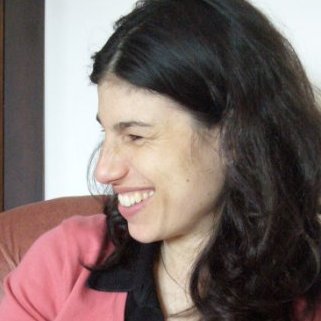
Dr Philip Wallek – Foundry Healthcare, Lewes primary care fit for the future of the NHS – 13th of July 2018

About the talk:

Dr Wallek will be talking about the challenges of working in the current environment of the NHS and how bringing together existing NHS organisations can create a better service. Foundry Healthcare is a new model of Primary Care being created by the existing GP practices for a purpose built building fit to provide a co-ordinated approach to care for the residents of Lewes for the future of the NHS.

Brief bio:

Dr Philip Wallek MBBS MRCGP BSc DPD MSc

Dr Wallek is a GP partner at School Hill Medical Practice in Lewes where he has worked for the past 9 years. He has a specialist interest in dermatology and runs the local community dermatology service. He is leading on the merging of the Lewes GP practices and the development of new models of primary care for the Lewes area. He is part of the faculty of the Primary Care Home supporting other areas in primary care development.

20180605_110518

The venue:
The Elephant And Castle
White Hill
Lewes
BN7 2DJ

Tickets:
They are £3 and you can purchase them on the door or about a week before in the venue. Please note that the capacity of the venue is limited, we recommend to buy the ticket in advance to avoid disappointment.
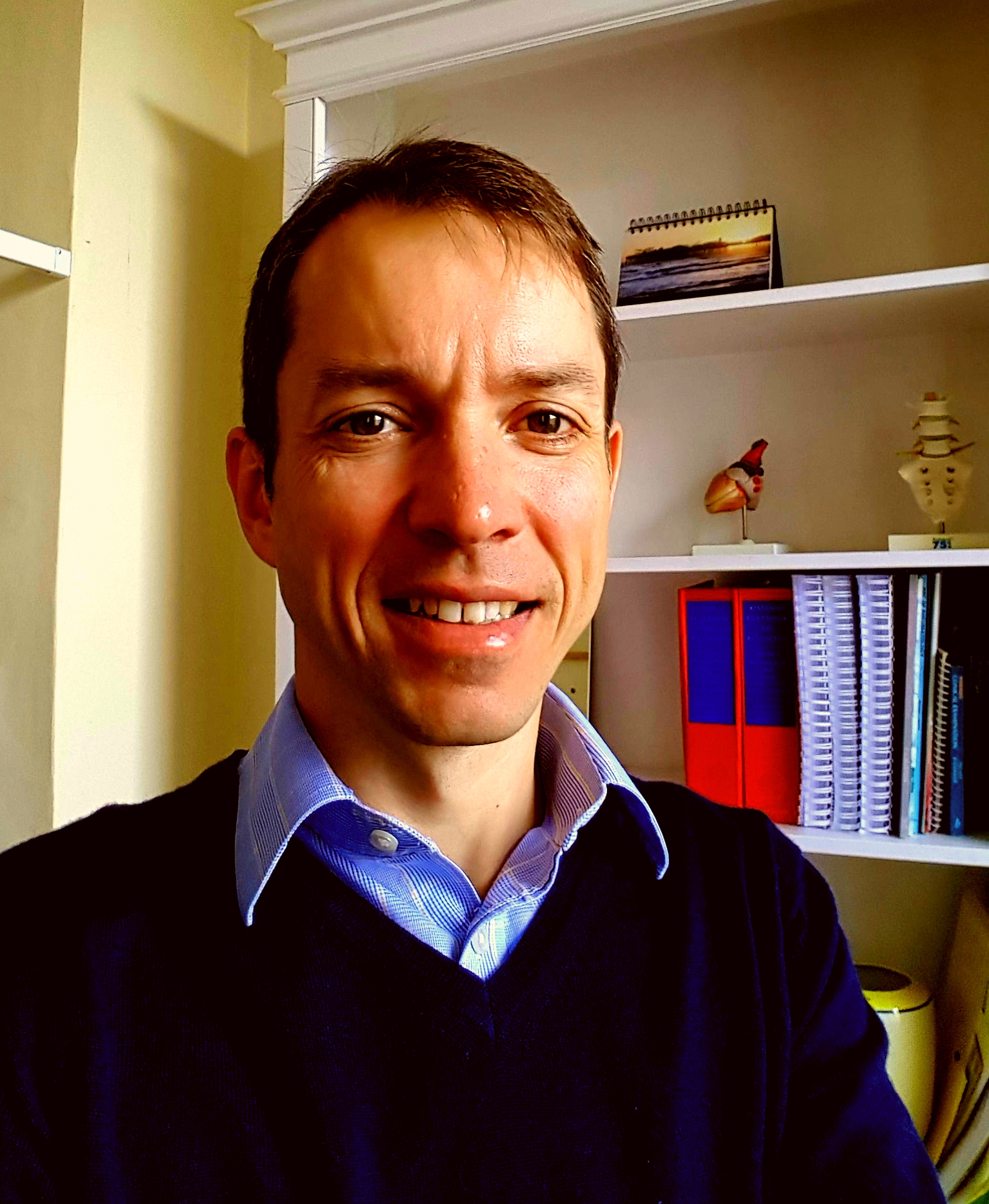
Guy Standing – Basic Income: And how we can make it happen – 5th June 2018

About the talk:
The presentation will consider the ethical and economic arguments for moving towards an income distribution system in which a basic income, paid as a regular sum, as a right, without behavioural conditions, would be the base or anchor. The lecture will consider why basic income has become more of a mainstream policy option, and then review the standard objections that have been raised by critics.

The presentation will draw, in part, on a recent book, Basic Income: And how we can make it happen (London: Pelican), and on a series of basic income pilots in which the author has been engaged.

Brief bio:
Guy Standing is Professorial Research Associate at the School of Oriental and African Studies< University of London. He is a Fellow of the British Academy of Social Sciences and co-founder and now honorary co-president of the Basic Income Earth Network (BIEN), an international NGO that promotes basic income. He was previously Professor of Development Studies in SOAS, Professor of Economic Security, University of Bath, Professor of Labour Economics, Monash University, and Director of the ILO’s Socio-Economic Security Programme. He has been a consultant for many international bodies, including UNICEF, UNCTAD, UNDP, the European Commission and the World Bank, has worked with SEWA in India for many years, and was Director of Research for President Mandela’s Labour Market Policy Commission. His career has combined being in the United Nations, being an activist (working for SEWA, et al, and steering BIEN), and being an academic. He is on the editorial boards of various academic journals, including Development and Change, Work, Employment and Society and the Indian Journal of Labour Economics. He has been invited to give lectures in over a hundred universities around the world, and has twice been invited to be a speaker at Davos. His recent books include The Precariat: The New Dangerous Class (2011), translated into 20 languages; A Precariat Charter (2014); with others, Basic Income – A Transformative Policy for India, and The Corruption of Capitalism: Why Rentiers Thrive and Work Does Not Pay (2016). His latest book is Basic Income: And how we can make it happen (Pelican, Penguin, 2017). GS high res.

The venue:
The Elephant And Castle
White Hill
Lewes
BN7 2DJ

Tickets:
They are £3 and you can purchase them on the door or about a week before in the venue. Please note that the capacity of the venue is limited, we recommend to buy the ticket in advance to avoid disappointment.
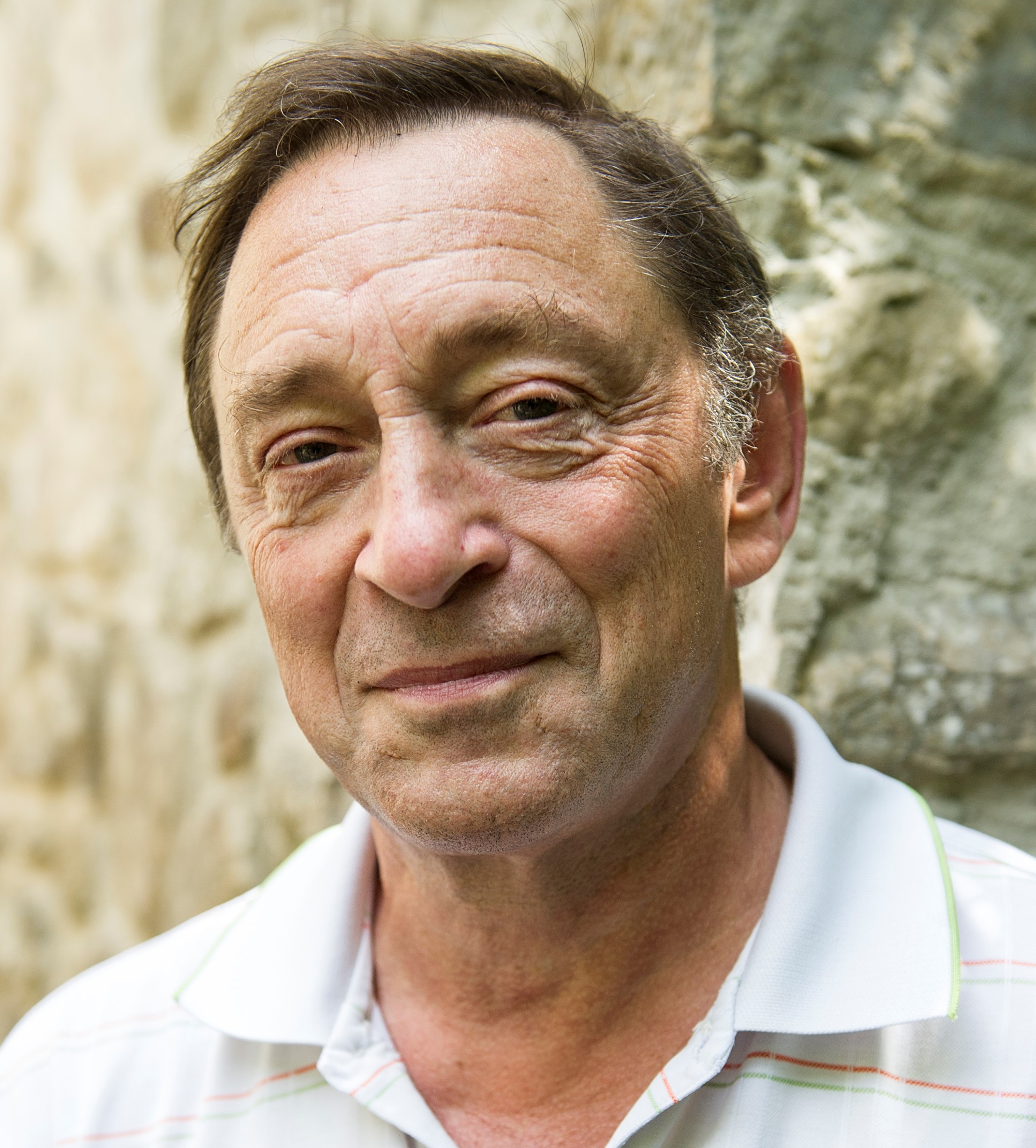
Rachel Oliver – Positive Money – 18th May 2018

About Rachel:

Rachel works to grow, strengthen and mobilise our fantastic network of supporters around the UK. She helps supporters to take action together online and in local groups, keeps the network updated with the campaign, and works to build relationships and leadership within our Positive Money community.

Rachel gained a first class honours degree in modern languages and International Relations at Leeds University, before getting stuck into people-powered campaigning. After stints at Stop Aids and Crisis Action, she campaigned for a few years at 38 Degrees, before joining Positive Money. Rachel is passionate about getting ordinary people involved in politics and economics, to build a society that puts people and planet first.

About the talk:

To deal with the big social, economic and environmental challenges we’re facing today, we need to transform our money and banking system. Positive Money’s goal is for a money and banking system that serves a fair, democratic, and sustainable economy.

In this presentation, Positive Money’s Head of Campaigns and Organizing, Rachel Oliver, will explain how our current money and banking system is flawed, how it needs to change, and how the Positive Money movement is working to change it.

Rachel

The venue:
The Elephant And Castle
White Hill
Lewes
BN7 2DJ

Tickets:
They are £3 and you can purchase them on the door or about a week before in the venue. Please note that the capacity of the venue is limited, we recommend to buy the ticket in advance to avoid disappointment.
Alison Pike – Limits of Parental Influence: The Nature & Nurture of Children’s Development – 20th April 2018

About the talk:

Twin and adoption studies yield a surprising finding: brothers and sisters have some similarity due to their shared genes, but growing up in the same family does not lead to sibling similarity. Identical family environments can affect children, even within the same family, in very different ways. At the same time, socialisation researchers tell us that family factors such as marital conflict, divorce and economic disadvantage put children at risk for poor developmental outcomes. Together, the behavioural genetic and socialisation approaches yield a shared environment paradox. On the one hand, behavioural geneticists insist that the shared family environment plays little to no role in human development. On the other hand, socialisation research documents robust prediction from a variety of shared environmental factors to important developmental outcomes. How can both of these statements be true? I argue that parents may not be as influential as we think, and that idiosyncratic pathways are the essence of children’s development.

About Prof Alison Pike:

Alison Pike is a Professor of Child & Family Psychology in the School of Psychology at the University of Sussex. Her research focuses on the antecedents and consequences of family relationships, with a particular focus on siblings, and differential experiences of children within the same family. This work has used cross-cultural, family and twin designs to facilitate an understanding at multiple levels of analysis. Prof Pike has appeared as an expert on the BAFTA-nominated documentary series Secret Lives of 4-, 5-, & 6-year-olds, and the Secret Lives of Brothers & Sisters.

AP2edit

The venue:
The Elephant And Castle
White Hill
Lewes
BN7 2DJ

Tickets:
They are £3 and you can purchase them on the door or about a week before in the venue. Please note that the capacity of the venue is limited, we recommend to buy the ticket in advance to avoid disappointment.
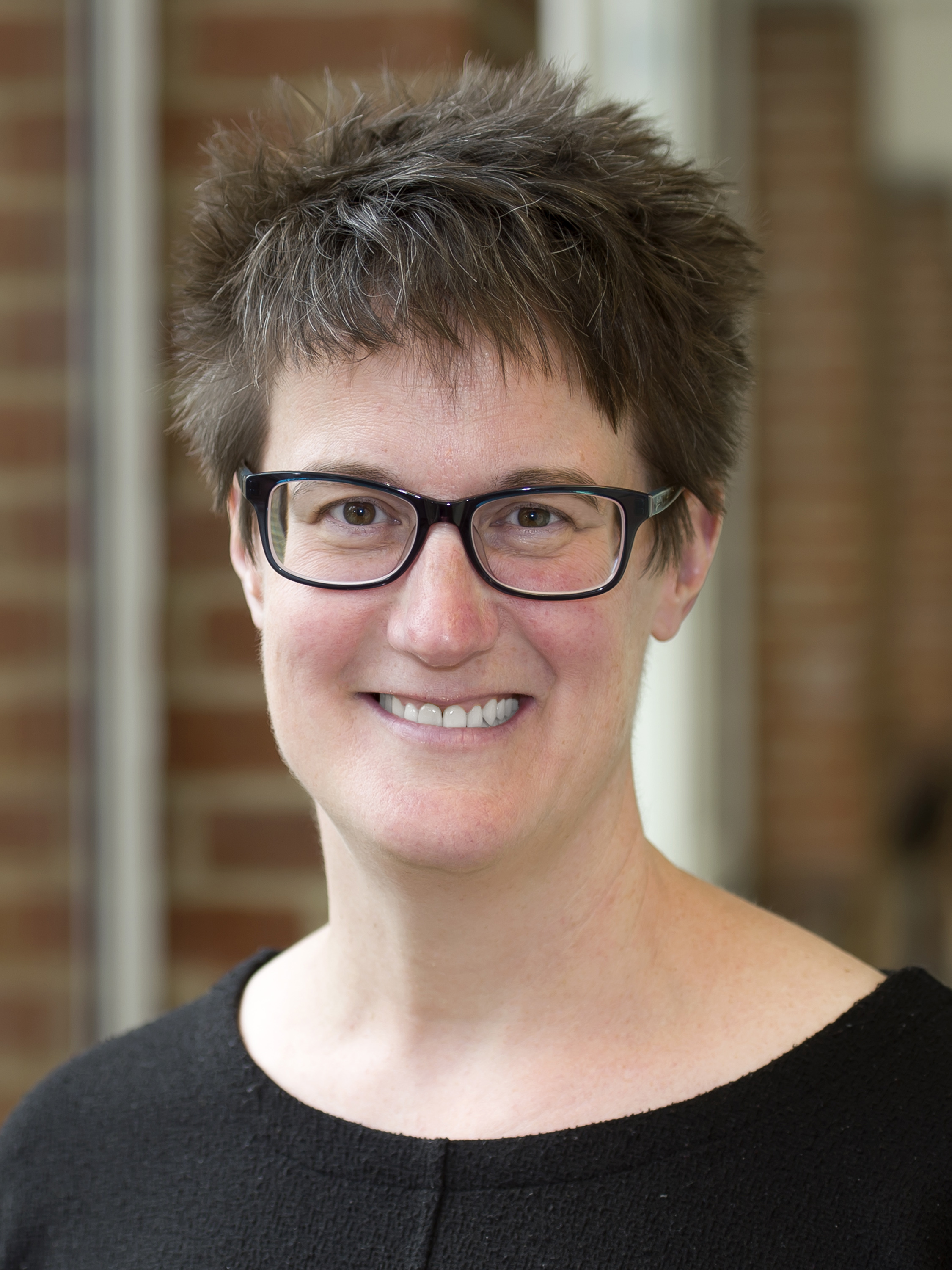
Shaughan Dolan – Taxes for Peace – 9th of March 2018

About Shaughan Dolan:

Shaughan Dolan is the Campaigns Manager for the peacebuilding NGO Conscience: Taxes for Peace not War. Conscience works for a world where taxes are used to nurture peace, not pay for war.

We campaign for a progressive increase in the amount of UK tax spent on peacebuilding, and a corresponding decrease in the amount spent on war and preparation for war. We also campaign for the legal right of those with a conscientious objection to war to have the entire military part of their taxes spent on peacebuilding.

Shaughan Dolan campaigns to protect and promote UK peacebuilding initiatives across the world. I have also frequented the offices of the Electoral Reform Society, West Berkshire Liberal Democrats, Lynne Featherstone MP and the Local Government Information Unit.

About the talk:

The talk will be about the Minister for Peace Campaign Conscience which is running the Campaign for the UK government to adopt a Minister for Peace and Disarmament.
For more information you can visit:
http://www.conscienceonline.org.uk/

3742_10152290391790118_1412890359_n[1]

The venue:
The Elephant And Castle
White Hill
Lewes
BN7 2DJ

Tickets:
They are £3 and you can purchase them on the door or about a week before in the venue. Please note that the capacity of the venue is limited, we recommend to buy the ticket in advance to avoid disappointment.

Francis Ratnieks – How endangered is the honey bee and how can we help? 23-02-18

Talk/discussion title and brief information

Title: How endangered is the honey bee and how can we help?
When people hear that I am a professor who studies honey bees they usually reply “I hear the bees are all dying”. The press have done a marvelous job of making people think that honey bees are all dying, yet there are almost certainly more honey bees alive on planet Earth today that at any previous time, something like 500 million colonies and 5 trillion individual bees. This is not to say there are no challenges. Honey bees face increased pests and diseases and reductions in their food supply, and like all wildlife share a planet with an increasingly dominant primate species whose civilization may well be passing beyond the bounds of moderation. These challenges especially affect commercial beekeeping. That is, beekeepers with hundreds even thousands of hives who produce most of the 1.6 billion kg of honey per year, which, along with crop pollination, worth c. £50 billion per year, are two reasons why honey bees are important to humans. The myth of the endangered honey bee has led to some bizarre and quixotic outcomes, such as the London council giving away free bee hives to anyone who wanted one (imagine if we tried to help endangered elephants in the same way), and all kinds of organizations, including the Scottish Parliament in Edinburgh and DEFRA in London, signalling their environmental credentials by locating hives on the roof of their HQ building. Unfortunately, the signal is more one of spin over substance. In addition, cities such as London probably now have more bee hives that the local flowers can easily support. A better way to help bees would be to encourage people to plant flowers, not to keep more hives. The Laboratory of Apiculture & Social Insects (LASI), at the University of Sussex, has been carrying out research on helping honey bees. We can now advise beekeepers how to control several of the major pests and diseases affecting honey bees, and we can also advise gardeners and local authorities how to chose flowers that provide more pollen and nectar to bees and flower visiting insects in general.

Ratnieks biography material
Francis Ratnieks grew up in south east England and has a life long interest in science and insects. As a boy spent a lot of time chasing butterflies and moths, something he still does. He began his Biology BSc at Sussex University in 1971, but as was the fashion in those days, he dropped out. He then spent 8 years living in Ireland, initially in Co. Kerry where he was a licensed pedlar, made jewelry and worked on fishing boats, later enrolling in the University of Ulster where he took a BSc in Ecology and where his enthusiasm for insects resurfaced. From Ulster, by way of Panama, he went to the Department of Entomology at Cornell University where he took MS and PhD degrees in honey bee biology and also spent time doing research in Mexico on “killer bees” and working for the New York State Apiary Inspection Program doing research and giving talks to beekeepers on honey bee diseases. He then did postdoctoral research on honey bees and social insects at the University of California, Berkeley and Riverside, and also taught at the University of Aarhus in Denmark. In 1995 he returned to the UK, to Sheffield University, and set up the Laboratory of Apiculture (LASI) and became the UK’s first Professor of Apiculture. In 2008 he returned to Sussex where he remains the UK’s only Professor of Apiculture and head of LASI. He has studied honey bees and social insects on all continents except Antarctica and has given seminars in two foreign languages. While in the USA he kept up to 180 bee hives making honey and comb honey, queen rearing and pollinating almonds. He is author of 270 research articles on honey bees and social insects, including c. 10 in Nature & Science magazines, and has trained c. 20 PhD students and 20 postdoctoral researchers in his lab. He is also the author of 100 outreach articles for beekeepers and others, and makes an effort that both he and LASI are always involved in the public communication of science to the general public and outreach to beekeepers. He has found that the most useful things he learned at school were woodwork (for making bee hives) and algebra (for modeling social evolution). He has also found that the most useful scientific instruments are eyes and an enquiring mind, and the most important thing in a laboratory are the people.

FrancisRatnieks_23Dec2015_2000Pixels[1]

The venue:
The Elephant And Castle
White Hill
Lewes
BN7 2DJ

Tickets:
They are £3 and you can purchase them on the door or about a week before in the venue. Please note that the capacity of the venue is limited, we recommend to buy the ticket in advance to avoid disappointment.

Blay Whitby – Artificial Intelligence, loss of jobs and policies – 12th January 2017

Life in the Age of Artificial Intelligence

What has come to be called The Fourth Industrial Revolution is now well under way. Artificial Intelligence (AI) will bring widespread social and economic changes in the next two decades. However, little or no provisions have been made to deal with these changes or to protect those who may be displaced, exploited, unemployed, or otherwise disadvantaged. We need to completely rethink employment and taxation models and probably also place strong legislative controls on the new ‘Information Barons’.

Regulating AI for the UK alone will not work – it will simply drive AI-based industries overseas. If the AI industry follows the current practices of the data-farm industry that will be to third-world countries with little or no regulation.

It is time to start the process of enacting world-wide standards and controls on Artificial Intelligence and related technologies. Nor is it the case that such controls will inhibit research and development. Regulation is clearly necessary to protect vulnerable users from exploitation and to protect humanity in general from potential misuses of these very powerful technologies. Serious risks are already evident.

About Dr Blay Whitby:

Dr Blay Whitby is a philosopher and ethicist concerned with the social impact of new and emerging technologies. He is a leading researcher in the field and the author of many books, chapters and papers on the subject including “On Computable Morality”, “Reflections on Artificial Intelligence: The Legal, Moral and Ethical Dimensions and “Artificial Intelligence, A Beginner’s Guide”.

He is a member of the All Party Parliamentary Group on AI and serves on the the ethics committees of several professional and commercial organisations.

Widening public engagement in science through debate is important to him and he is a regular speaker in community settings as well as having participated in several very high impact science/art collaborations.

He is currently a popular and engaging lecturer at The University of Sussex, leading a number of courses including: “Ethical Issues in Computing”, “Introduction to Cognitive Science”, “Knowledge Based Systems”, “Philosophy of Science” and “Research Ethics”.

Dr Whitby is happy to be involved with and support new research projects, which would benefit from his expertise in ethics and the social effects of emerging technology.

blay

The venue:
The Elephant And Castle
White Hill
Lewes
BN7 2DJ

Tickets:
They are £3 and you can purchase them on the door or about a week before in the venue. Please note that the capacity of the venue is limited, we recommend to buy the ticket in advance to avoid disappointment.